

Searching for the Best radiologist in Sagar Pur often begins when a patient has been advised to undergo an imaging investigation and wants confidence that the examination will be evaluated carefully. While best is subjective, there are practical factors that can help patients assess the quality of a radiology service.
The most important consideration is not a promotional label. It is whether the imaging process produces clinically useful information for the doctor managing your care.
Understand the Radiologist's Role
A radiologist is a medical professional trained in diagnostic imaging.
Depending on the examination, radiology involves evaluating images, recognising relevant patterns, documenting findings, and preparing a report that can help the referring clinician make informed decisions.
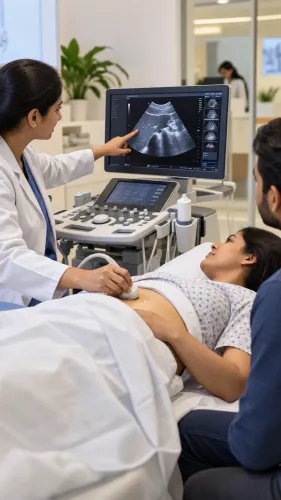
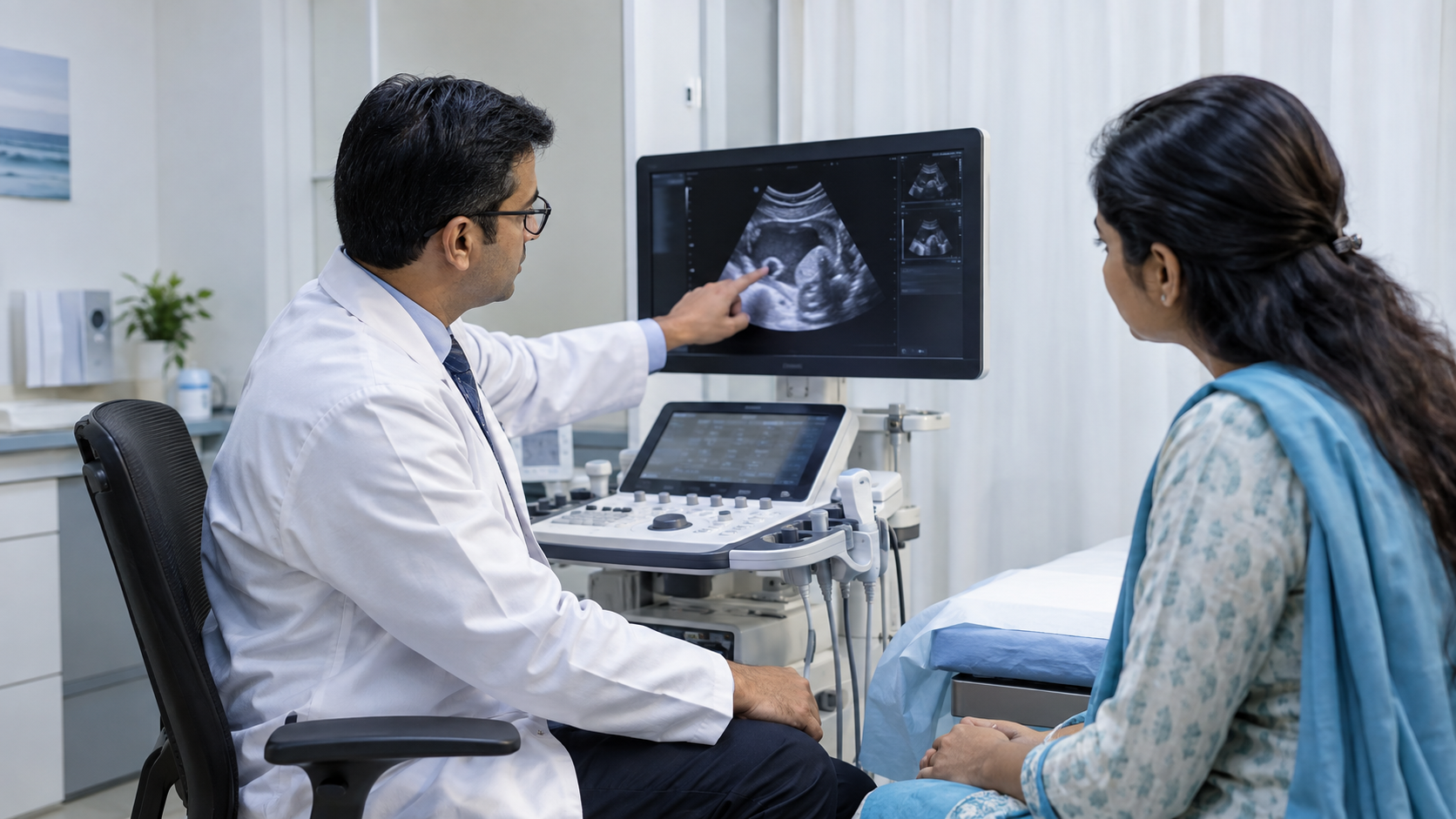
For ultrasound, professional involvement can be particularly important because imaging takes place dynamically during the examination.
Relevant Experience Matters
Different imaging investigations examine different parts of the body and answer different clinical questions.
When arranging a scan, confirm that the facility routinely performs the type of examination prescribed.
Experience with the relevant examination can support a structured and clinically focused imaging process.
Good Imaging Begins With Good Information
Patients can contribute to the quality of the assessment by bringing appropriate records.
Useful information may include:
- Doctor's prescription
- Previous imaging reports
- Relevant laboratory reports
- Current symptoms
- Surgical history where relevant
- Previous diagnoses
- Pregnancy-related information when applicable
This context can sometimes help the imaging professional understand why the investigation has been requested.
Clear Reporting Is Important
A useful radiology report should communicate findings in a way that supports the referring doctor's clinical assessment.
Patients sometimes judge reports by length, but a longer report is not automatically better. Relevance and clarity matter.
The radiologist's role is also not to replace the treating doctor. Imaging findings must be considered alongside clinical information.
Technology Matters but Is Not Everything
Modern imaging equipment can improve efficiency and image acquisition, but equipment alone does not determine diagnostic quality.
Professional technique, appropriate imaging protocols, correct patient preparation, and careful interpretation remain essential.
When evaluating options for the Best radiologist in Sagar Pur, patients should consider the complete imaging process rather than choosing a facility because it advertises a particular machine.
Preparation Guidance Is a Quality Indicator
For examinations requiring preparation, clear communication before the appointment is important.
Patients should know whether they need to fast, maintain a full bladder, bring previous reports, or follow other examination-specific instructions.
Poor preparation can affect the quality of some ultrasound studies and may lead to inconvenience.
Look for an Organised Diagnostic Environment
Augmentum Diagnostics provides radiology alongside other diagnostic services, allowing imaging findings to form part of a broader investigation pathway where required.
An organised diagnostic environment should focus on correct patient identification, appropriate examination protocols, privacy, professional communication, and structured reporting.
Be Cautious With Absolute Claims
Healthcare quality cannot responsibly be reduced to claims such as guaranteed diagnosis or perfect accuracy.
Medicine involves uncertainty. Sometimes imaging identifies a clear finding; sometimes it suggests further evaluation; and sometimes technical or anatomical limitations affect what can be visualised.
A responsible imaging professional acknowledges those limitations.
Ultimately, searching for the Best radiologist in Sagar Pur should mean looking for qualified expertise, appropriate imaging practices, clear reporting, and professional patient care. The objective is not simply to obtain a scan, but to receive useful diagnostic information that helps your treating healthcare professional decide what should happen next.