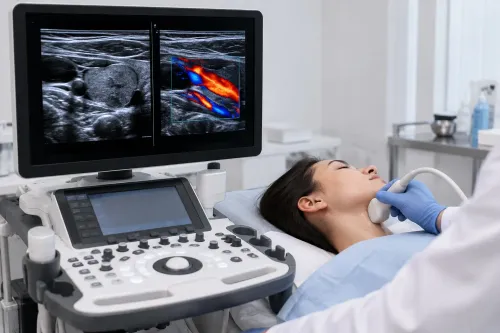


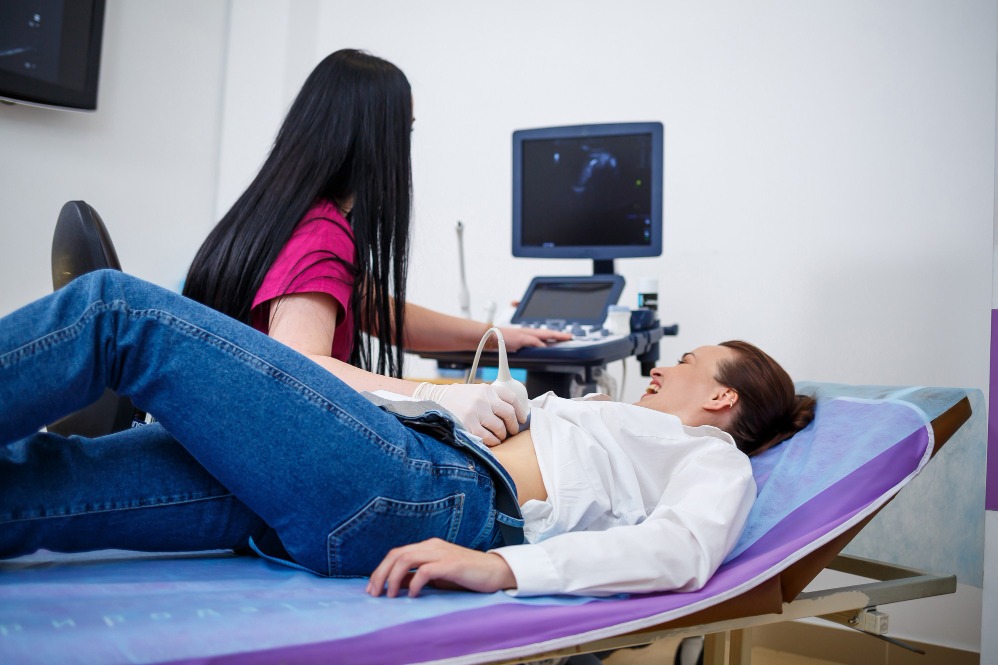
Pelvic ultrasound, often referred to as USG Pelvis, is an important diagnostic examination used to evaluate the reproductive organs and surrounding pelvic structures in women. It is a safe, painless, and non-invasive imaging test that helps doctors diagnose a variety of gynecological and urinary conditions. If your doctor has recommended a USG Pelvis for females in Sagar Pur, understanding its purpose and what to expect can make the experience much more comfortable.
Pelvic ultrasound plays a vital role in women's healthcare across different age groups. From investigating pelvic pain to monitoring reproductive health, the examination provides valuable information that supports timely diagnosis and treatment.
What Is a USG Pelvis?
USG Pelvis uses high-frequency sound waves to create detailed images of the pelvic organs.
The examination typically evaluates:
- Uterus
- Ovaries
- Cervix
- Fallopian tube region
- Urinary bladder
- Surrounding pelvic tissues
Unlike imaging methods that use radiation, ultrasound is considered safe and can be repeated whenever medically required.
Why Do Doctors Recommend a Pelvic Ultrasound?
Gynecologists and physicians recommend pelvic ultrasound for several medical reasons.
Common indications include:
- Pelvic pain
- Irregular menstrual cycles
- Heavy menstrual bleeding
- Ovarian cysts
- Uterine fibroids
- Fertility assessment
- Suspected endometriosis
- Monitoring known gynecological conditions
- Evaluation of abnormal vaginal bleeding
The scan provides important information that cannot be obtained through physical examination alone.
Types of Pelvic Ultrasound
Depending on the clinical situation, your doctor may recommend one of two approaches.
Transabdominal Ultrasound
This examination is performed by moving the ultrasound probe over the lower abdomen. Patients are often advised to have a full bladder, which helps improve image quality.
Transvaginal Ultrasound
In certain situations, especially when more detailed visualization is required, a transvaginal ultrasound may be recommended. This approach provides clearer images of the uterus and ovaries and is commonly used in gynecological evaluations and early pregnancy.
Your doctor will recommend the most appropriate method based on your symptoms and medical history.
Preparing for the Examination
Preparation depends on the type of pelvic ultrasound.
Patients may be advised to:
- Drink sufficient water before a transabdominal scan.
- Avoid emptying the bladder until the examination is complete.
- Wear comfortable clothing.
- Carry previous ultrasound reports.
- Inform the radiologist about pregnancy or ongoing treatment.
Following these instructions helps obtain high-quality diagnostic images.
What Can a USG Pelvis Detect?
Pelvic ultrasound assists doctors in identifying various medical conditions, including:
- Ovarian cysts
- Uterine fibroids
- Adenomyosis
- Polycystic ovaries
- Endometrial abnormalities
- Pelvic inflammatory disease
- Fluid collections
- Certain reproductive system abnormalities
Early identification of these conditions allows doctors to recommend appropriate treatment before complications develop.
Is the Procedure Painful?
A transabdominal pelvic ultrasound is generally painless and takes around 15 to 30 minutes.
Patients may experience mild discomfort from having a full bladder before the examination, but this usually resolves immediately afterward.
If a transvaginal ultrasound is required, the radiologist explains the procedure carefully beforehand to ensure patient comfort and privacy throughout the examination.
Choosing a Reliable USG Pelvis Provider in Sagar Pur
Women seeking pelvic ultrasound services should consider centres that offer experienced radiologists, modern ultrasound equipment, strict patient privacy, and accurate reporting. Augmentum Diagnostics provides pelvic ultrasound examinations as part of its comprehensive radiology and diagnostic services, helping patients receive dependable evaluations in a professional and supportive environment.
A USG Pelvis is an important diagnostic tool that helps doctors understand the underlying causes of many gynecological symptoms. Whether the examination is recommended for routine evaluation, fertility assessment, or investigating specific concerns, choosing a trusted diagnostic provider ensures accurate imaging, timely reporting, and better support for informed medical care.