


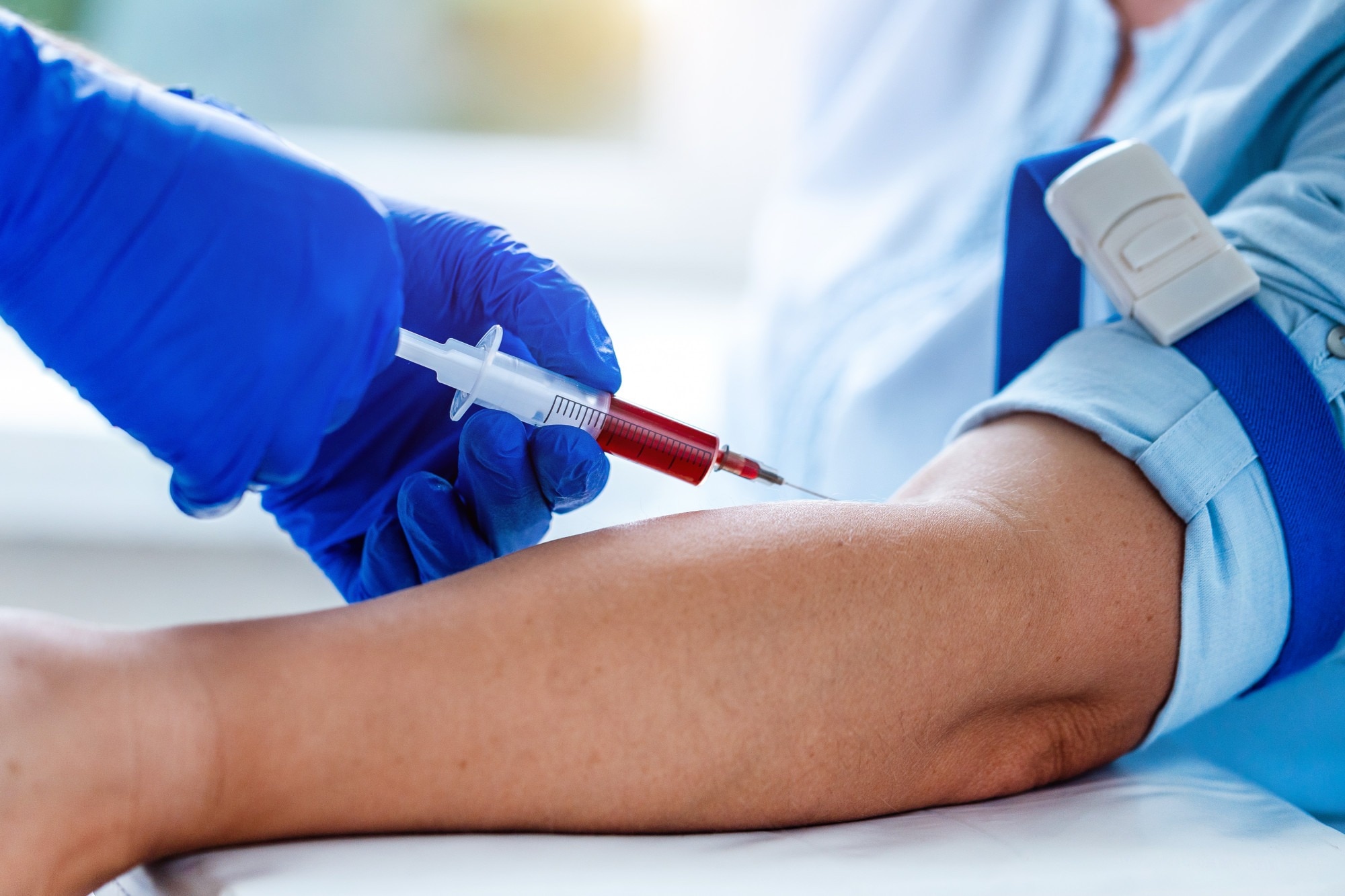
A blood test can expose patterns linked to anaemia, infection, diabetes, cardiovascular risk, organ injury and thyroid dysfunction, but a number rarely explains its own cause. By the end, you will know what common markers mean, when an abnormal result needs confirmation, how to prepare, and when blood testing is not enough.
Key takeaways
- HbA1c reflects average blood-sugar exposure over roughly two to three months.
- A complete blood count evaluates red cells, white cells and platelets.
- One abnormal result needs context from symptoms, medicines and repeat testing.
- Follow the laboratory’s fasting, medication and collection instructions exactly.
The Health Signals Common Blood Tests Can Show
A blood test health check can screen several body systems at once, but each marker answers a limited question. Blood glucose and HbA1c show current and average blood-sugar exposure; HbA1c test interpretation helps estimate diabetes risk over roughly two to three months.
Lipid measurements, including LDL cholesterol and triglycerides, help estimate cardiovascular risk rather than prove that an artery is blocked.
| Marker group | What it can reveal | What the result does not prove |
|---|---|---|
| Complete blood count | Haemoglobin and red-cell indices suggest anaemia patterns; white-cell counts may signal infection or inflammation; platelets reflect clotting-cell levels | The cause of anaemia or an abnormal cell count |
| ALT and AST | Cellular injury involving the liver, with AST also rising after muscle injury or strenuous exercise | How well the liver performs all its functions, or liver failure |
| Creatinine and eGFR | Kidney filtration and possible loss of filtering capacity | The cause of kidney impairment or the full picture without urine testing |
| TSH, free T4 and sometimes free T3 | Whether thyroid activity needs further assessment | The severity or cause of thyroid disease |
| Ferritin and related iron tests | Iron stores and possible deficiency | Iron status in isolation, because inflammation can raise ferritin |
Additional tests can assess bilirubin, albumin, INR, vitamin levels, and inflammatory markers when symptoms or medical history justify them. A high or low result is a screening signal, not automatically a diagnosis; your clinician may compare it with symptoms, medicines, previous results, or repeat testing.
How to Read Results for Blood Cells, Sugar, Organs and Thyroid
An abnormal result is a clue, not a diagnosis. Low haemoglobin signals anaemia, while red-cell indices such as MCV and MCH help show whether iron deficiency or another pattern is involved. A high or low white blood cell count can accompany infection, medicines or marrow disorders.
Platelet count abnormalities point to clotting risk, not a specific cause.
- Check glucose by test type. HbA1c estimates average glucose over roughly two to three months: below 5.7% is normal, 5.7%–6.4% is the prediabetes range, and 6.5% or higher is in the diabetes range. An abnormal result usually needs confirmation. Blood loss, transfusion, anaemia, kidney failure, pregnancy and haemoglobin variants can distort it.
- Read ALT and AST as signs of liver-cell injury, not proof of liver disease. Creatinine-based eGFR estimates kidney filtration; muscle mass, diet and pregnancy can reduce its reliability. Pair a mildly abnormal result with repeat testing and a urine albumin-to-creatinine ratio.
- Treat TSH as a thyroid screening signal. Free T4, sometimes free T3, medication review, pregnancy status, thyroid antibodies or repeat testing can clarify an abnormal result. Biotin supplements interfere with some thyroid assays.
- Treat hs-CRP as nonspecific. Infection, injury and inflammation can raise it, so reassess an unexpectedly high result after acute illness.
A diagnosis requires symptoms, examination and supporting tests, not one isolated number.
Why One Abnormal or Normal Result May Not Tell the Whole Story
A result is evidence, not a diagnosis. Its meaning depends on your symptoms, medical history, medicines, age, pregnancy status, recent illness, and the laboratory’s reference range.
Creatinine and eGFR illustrate the problem. eGFR estimates kidney filtration rather than measuring it directly, and muscle mass, diet, amputation, pregnancy, or illness can reduce its accuracy. A single mildly abnormal result is usually checked again alongside a urine albumin-to-creatinine ratio.
Persistent urine albumin can signal kidney damage even when eGFR is normal, while exercise, infection, menstruation, or temporary illness can cause a short-lived abnormal result.
Use this sequence when a result is outside range:
- Check whether the result matches your symptoms and previous results. A high ALT or AST can indicate liver injury, but medicines, alcohol, strenuous exercise, or muscle injury can change the result.
- Repeat the test when your clinician recommends it. Ferritin can rise with inflammation, so a normal or high value does not always exclude iron deficiency; haemoglobin and other iron studies may be needed.
- Add a more suitable test when the original marker has limits. A1c can be misleading after blood loss, transfusion, haemolytic anaemia, iron-deficiency anaemia, pregnancy, kidney failure, or with some haemoglobin variants. Plasma glucose testing may provide a clearer answer.
- Interpret normal results cautiously. A normal panel cannot rule out every infection, cancer, autoimmune disease, or early illness; symptoms may require urine tests, imaging, examination, or specialist review.
How to Prepare and Prevent a Misleading Blood Test
Do not assume every blood test requires fasting. Check the laboratory or clinician’s instructions for the exact tests ordered; a fasting blood test is common for fasting glucose and selected triglyceride or metabolic tests, but many cholesterol tests do not require it.
Before collection:
- Follow the stated fasting period and avoid alcohol, heavy meals, and strenuous exercise beforehand.
- Maintain normal water intake before blood test collection. Plain water helps prevent dehydration, which can concentrate some results.
- Ask about medicines before blood test collection; do not stop prescription treatment unless the prescriber tells you to.
- Tell the collector about pregnancy, recent illness, blood loss, transfusion, supplements, and the time of your last meal.
| Factor | How it can distort results | What to do |
|---|---|---|
| Fasting status | Food can raise glucose and triglycerides; unnecessary fasting can make you uncomfortable or dehydrated | Follow instructions for the ordered tests |
| Biotin supplements | Biotin interference can produce misleading thyroid and some hormone or cardiac-test results | Report supplements and ask when to pause them |
| Exercise, illness or dehydration | Hard exercise, infection, fever, vomiting, or low fluid intake can shift enzymes, blood counts, and kidney markers | Reschedule or interpret the result with the clinician when relevant |
Have blood drawn at the requested time, especially for tests affected by daily hormone rhythms. A result collected during acute illness or after unusual exertion may need repeat testing under ordinary conditions.
Choosing the Right Test and Deciding What to Do Next
Choose a targeted blood test when you have a symptom, medication exposure, family risk, or a specific condition to investigate. Choose general health screening when you have a defined risk profile and a plan for acting on abnormal results; a broad panel without that plan can create false alarms, repeat testing, and anxiety.
| Option | Best use | Main limitation |
|---|---|---|
| Broad screen | Baseline review across several health areas | Incidental abnormalities may trigger unnecessary investigations |
| Targeted blood test | Answering a focused clinical question | It will not assess unrelated conditions |
| Repeat test | Checking whether an unexpected result persists | Delay can be unsafe when symptoms are severe |
Read the reference interval printed by the performing laboratory, not a range copied from another website. Intervals usually cover the central 95% of a selected reference population, so about 5% of healthy people fall outside them on an individual test. Check the units, collection date, flags, and previous results.
A flagged result is not a diagnosis, while a critical laboratory value requires prompt contact with the laboratory or clinician.
Ask Augmentum Diagnostics which preparation applied to your ordered tests; fasting is not automatically needed for every blood sample. Arrange follow-up by:
- Asking a clinician to interpret persistent abnormalities alongside symptoms, medicines, pregnancy status, and medical history.
- Repeating a mildly abnormal creatinine-based eGFR and adding a urine albumin-to-creatinine ratio when kidney disease is suspected.
- Reviewing free T4, medicines, biotin supplements, and repeat TSH when TSH is abnormal.
- Seeking urgent advice for a critical value or rapidly worsening symptoms.
Related services
Health Checkup ₹1700 Special Instruction : 9 to 12 hours fasting required Parameters covered : 9 Sample(s) required : Blood, Urine, Serum OTHER_PARAMETERS (9) 1. View service → |
Health Checkup ₹6200 Special Instruction :9 to 12 hours fasting required Parameters covered :17 Sample(s) required :Blood, Urine, Serum 1.Calcium Total 2.COMPLETE BLOOD... View service → |
Frequently asked questions
What can common blood tests reveal about your health?
They can provide signals about blood cells, blood sugar, liver and kidney function, cholesterol, inflammation and thyroid activity. Each marker answers a limited question rather than measuring overall health by itself.
How should you interpret an abnormal blood test result?
Compare the result with the laboratory’s reference range, review related markers, and consider symptoms, medicines, recent illness and preparation. Ask a clinician whether you need a repeat test or further investigation.
Does a normal blood test rule out health problems?
No. A normal result only addresses the markers tested at that time. Symptoms can require a different test, examination or follow-up even when the report shows no flagged values.
How should you prepare for a blood test?
Follow the collection instructions, including any fasting period, water guidance and medication directions. Tell the collector about medicines, supplements, strenuous exercise, illness and difficult blood draws.
Related services
Health Checkup ₹2499 Special Instruction : 8 to 10 hours fasting required Parameters covered : 9 Sample(s) required : Blood, Urine, Serum OTHER_PARAMETERS (9) 1.Calcium... View service → |
Health Checkup ₹6200 Special Instruction :9 to 12 hours fasting required Parameters covered :17 Sample(s) required :Blood, Urine, Serum OTHER_PARAMETERS (17) 1.CA 125... View service → |
Health Checkup ₹3350 Special Instruction :9 to 12 hours fasting required Parameters covered :9 Sample(s) required :Blood, Urine, Serum 1.Calcium Total 2.COMPLETE BLOOD... View service → |
Health Checkup ₹3150 Special Instruction :9 to 12 hours fasting required Parameters covered :9 Sample(s) required :Blood, Urine, Serum 1.Calcium Total 2.COMPLETE BLOOD... View service → |