

A modern pathology service should do more than sell bundled health checks: it should collect the right specimen, test it under controlled conditions, explain the result clearly, and help you obtain the appropriate follow-up. By the end, you will know which services to look for, what questions to ask before collection, and how to compare laboratories on measurable evidence.
Key takeaways
- Confirm specimen instructions, fasting requirements, and identification details before collection.
- Choose screening for risk checks; choose diagnostic testing for a symptom or known concern.
- Compare accreditation, quality controls, report authorization, and sample-tracking procedures.
- Ask how home samples are labelled, transported, stored, and linked to your report.
What does a modern path lab actually do?
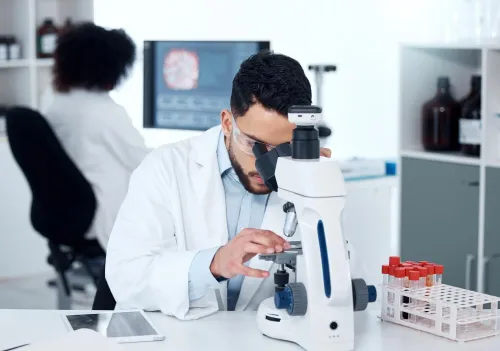
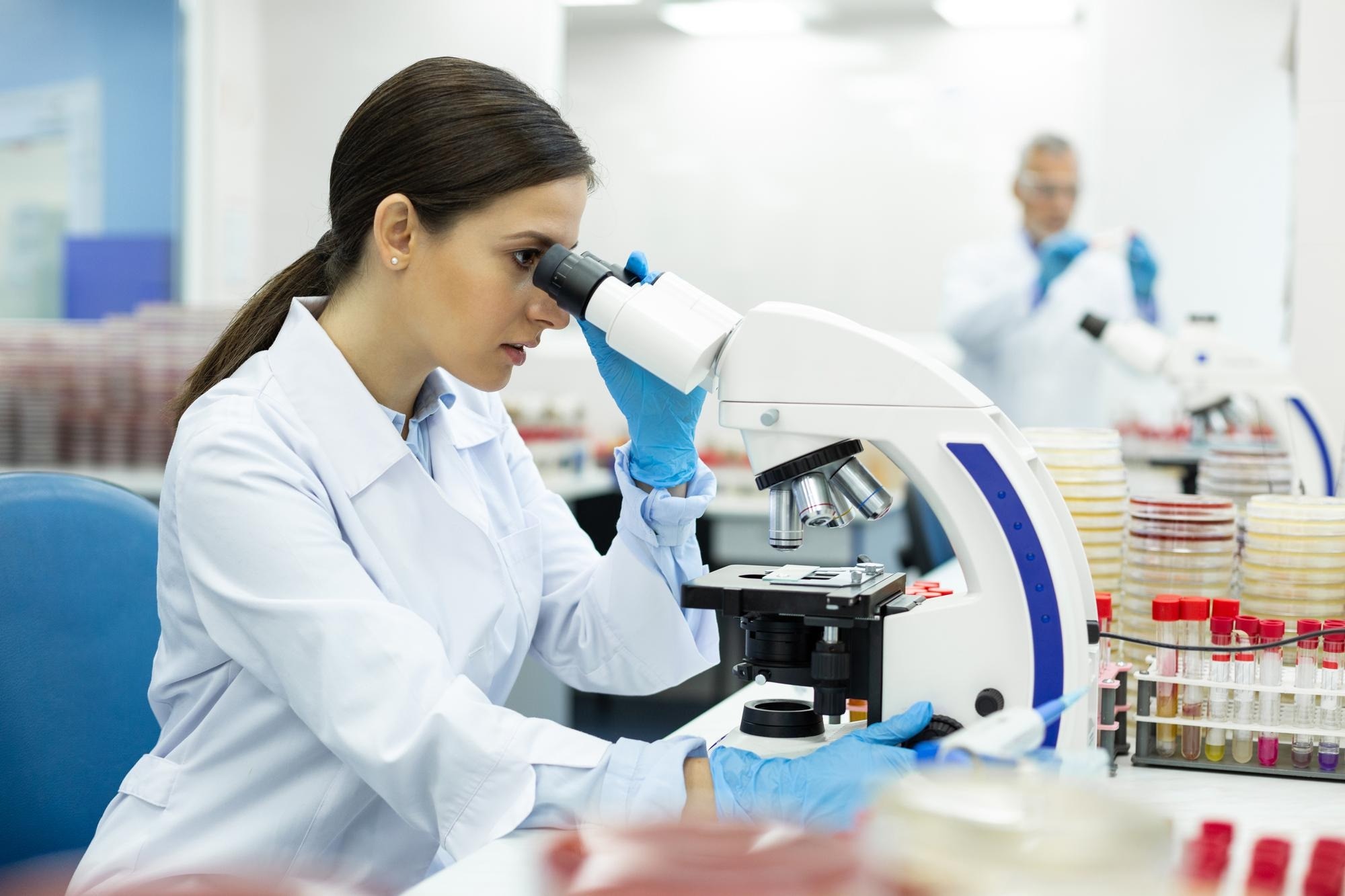
A modern pathology laboratory does more than issue routine blood reports. It combines specialised sections, each answering a different clinical question:
| Section | Main role |
|---|---|
| Routine pathology | Cell counts, blood films, and basic examination of specimens |
| Biochemistry | Measures glucose, enzymes, electrolytes, hormones, and organ-function markers |
| Microbiology testing | Detects bacteria, fungi, parasites, and antimicrobial susceptibility |
| Histopathology | Examines tissue removed by biopsy or surgery |
| Cytology | Assesses individual cells from fluids, smears, or fine-needle samples |
| Molecular testing | Detects genetic material from organisms or abnormal cells |
| Genetic testing | Identifies inherited variants, carrier status, or disease-associated changes |
Testing may involve blood, urine, stool, sputum, swabs, semen, tissue, cerebrospinal fluid, and other body fluids. Each specimen has its own collection, container, temperature, timing, and transport requirements; a poorly handled sample can produce a rejected or misleading result.
Ask whether the test is performed on-site or sent to a referral laboratory. Referral testing can require a different specimen, add transport time, and place analytical control with another laboratory.
Before booking, confirm that the test is offered, where it is performed, which specimen is required, and the separate turnaround time for local versus send-out testing.
What happens from booking to an authorized report?
1. At booking, verify the clinician’s test order, preparation instructions, specimen type, timing, and turnaround time. At collection, complete patient identification using at least two identifiers, such as full name and date of birth or a registration number.
2. Collect the specimen, then complete sample labelling at the collection point with the patient’s identifiers, specimen type, collection date and time, and collector details. The wrong tube, hemolysis, contamination, inadequate volume, mislabelled specimens, or delayed transport can invalidate an accurate analytical method.
3. Transport the specimen under the required time and temperature conditions. Laboratory accessioning records its arrival, assigns an accession number, and checks acceptance criteria before analysis; rejected samples require documented recollection instructions.
4. After analysis, internal quality checks identify instrument, reagent, or control problems. A qualified reviewer examines results, flags, and comments before report authorization, after which the clinician reviews the findings in context.
Your report should show the specimen type, test method or platform where relevant, units, reference interval, abnormal-result flags, limitations, and collection and processing dates or times.
Ask how the lab repeats questionable results, issues and records amended reports, and handles critical result communication: an immediately dangerous result should be documented and relayed promptly to an appropriate clinician, not merely released online.
What should you check before giving a specimen, at home or at the lab?
Many blood tests do not require fasting. A fasting blood test needs the period written on the order; plain water, regular medicines, exercise, smoking, alcohol, and test timing can affect particular results. Follow the test-specific instruction, and ask what to do after accidentally eating rather than cancelling yourself.
| Specimen | Collection basics |
|---|---|
| Blood | Confirm preparation, medicine instructions, timing, and whether the test is suitable for home collection. |
| Urine and stool collection | Use the supplied clean container, avoid contamination, close it securely, and deliver it within the stated time. |
| Sputum | Produce material from the lower airways, not saliva, and follow instructions about morning collection. |
| Swabs | Do not touch the collection end; tell staff about recent treatment or products that could affect the site. |
| Semen | Follow the stated abstinence period and collection instructions; record the collection time. |
| Tissue | Ensure the site, procedure, and specimen identity are documented before it leaves the clinic. |
| Body fluids | Confirm who collects the fluid, the required timing, and the transport conditions before the procedure. |
For home sample collection, confirm these details before booking:
- Service area, appointment window, collector identification, fees, and cancellation rules
- Which tests are suitable outside the laboratory
- Transport temperature, handling, and maximum time to laboratory receipt
- What causes specimen rejection, whether recollection is free, and who contacts you
- Whether the report clock starts at collection, laboratory receipt, or accessioning
Home collection is not automatically equivalent to in-laboratory collection: delay, temperature, vibration, mixing, or late processing can change results. Ask what happens after a specimen rejection.
How do you choose between a screening package and a diagnostic test?
A health screening package is for preventive checks in people without a specific complaint; diagnostic testing investigates symptoms, a known condition, medication effects, or a defined exposure. Choose based on the question being answered, not the number of tests included.
| Choice | Purpose | Examples |
|---|---|---|
| Preventive screening | Detect selected conditions before symptoms appear | Risk-based blood pressure, glucose, lipid, or cervical screening |
| Diagnostic testing | Explain a symptom or confirm a suspected condition | Fever, thyroid symptoms, possible cancer, or an STI concern |
| Monitoring | Track a known condition or treatment | Diabetes control or medication safety testing |
A broad panel is not automatically better. For fever, thyroid symptoms, diabetes monitoring, sexually transmitted infection concerns, or possible cancer, irrelevant tests can produce false positives, incidental findings, anxiety, and unnecessary follow-up. Ask which test addresses your clinical question.
Before buying a package, request its full parameter list: the complete reportable list, not a shortened list ending in an ellipsis. Check for duplicate tests across panels, then ask:
- Does each item require serum, whole blood, plasma, or urine?
- Which tube and specimen volume are required?
- Does preparation differ between tests, including fasting or medication instructions?
- Does the price include clinician interpretation, or only numerical results?
A clinician can help select the smallest useful set.
How can you compare laboratories on quality rather than convenience alone?
Compare laboratories by asking for evidence tied to the exact test you need, not by choosing the fastest booking slot.
| Check | What to compare | Why it matters |
|---|---|---|
| Accreditation | NABL accreditation to ISO 15189, or another formal assessment; read the listed scope | Approval for one section or test does not cover every service |
| Quality assurance | Internal quality control and external quality assessment or proficiency testing | Failures should be detected before patient reports are released |
| Testing details | Method, platform, specimen type, units, reference interval, and limitations | Different methods and specimens can produce results that are not directly interchangeable |
| Turnaround | Separate routine, urgent, and send-out times, measured from specimen receipt or accessioning to result authorization | Collection, transport, referral, and repeat analysis can add time |
Ask for the laboratory’s sample rejection criteria. A clear policy should name problems such as haemolysis, insufficient volume, contamination, wrong container, mislabelling, or delayed transport.
Compare reference intervals only as descriptions of results in a reference population. They are not automatically treatment thresholds or screening decision limits.
Ask how amended reports are identified, dated, and communicated. Confirm how critical values are phoned or electronically sent, documented, and escalated, and whether patient support is available when a result needs clinician follow-up.
What should you expect if the provider also offers diagnostic imaging?
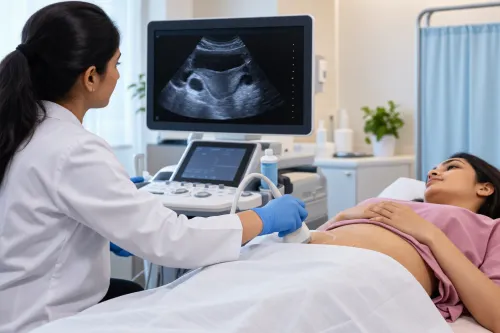
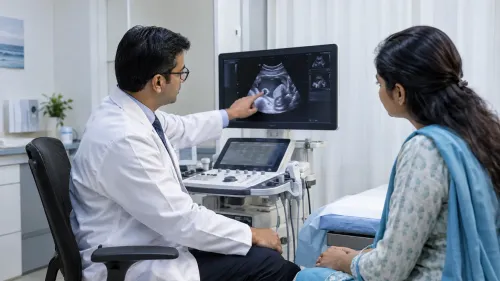
Choose diagnostic imaging for the clinical question, not a generic “full-body” check. Ask what symptom, finding, or suspected condition the scan addresses and why that modality is appropriate.
| Modality | Radiation | What to know |
|---|---|---|
| Ultrasound | None | Uses sound waves; useful for many soft-tissue and abdominal questions |
| MRI | None | Uses magnetic fields; gives detailed soft-tissue images |
| Radiography | Ionizing | Plain X-rays; often used for bones and chest imaging |
| CT | Ionizing | Cross-sectional images; generally exposes you to more radiation than a plain radiograph |
A qualified radiologist or other authorised imaging specialist should interpret the images. The report should name the examination, record relevant findings, state limitations, and recommend follow-up when appropriate.
Augmentum Diagnostics is an example of a provider offering both laboratory investigations and diagnostic imaging. When comparing it with another centre, ask:
- Which tests and scans are performed locally?
- Which are referred elsewhere?
- How will home collection affect timing?
- Who reviews and authorises the final report?
Related services
Health Checkup ₹6200 Special Instruction :9 to 12 hours fasting required Parameters covered :17 Sample(s) required :Blood, Urine, Serum 1.Calcium Total 2.COMPLETE BLOOD... View service → |
Health Checkup ₹6200 Special Instruction :9 to 12 hours fasting required Parameters covered :17 Sample(s) required :Blood, Urine, Serum OTHER_PARAMETERS (17) 1.CA 125... View service → |
Frequently asked questions
What does a modern pathology laboratory do?
A modern pathology laboratory processes specimens through specialised sections that answer different clinical questions, then issues an authorized diagnostic report.
What happens between booking a test and receiving the report?
The process includes booking, patient identification, specimen collection, labelling, transport or accessioning, analysis, technical review, and authorization of the final report.
What should you check before giving a specimen?
Confirm preparation instructions such as fasting, medication guidance, collection timing, container type, and the correct patient details on the label.
How do screening packages differ from diagnostic tests?
Screening packages assess health risks in people without a specific complaint, while diagnostic tests investigate symptoms, abnormal findings, or a known condition.
How can you compare pathology laboratories on quality?
Ask about accreditation, internal quality control, external quality assessment, qualified staff, specimen tracking, report authorization, and clear turnaround times.
Related services
Health Checkup ₹2499 Special Instruction : 8 to 10 hours fasting required Parameters covered : 9 Sample(s) required : Blood, Urine, Serum OTHER_PARAMETERS (9) 1.Calcium... View service → |
Health Checkup ₹3150 Special Instruction :9 to 12 hours fasting required Parameters covered :9 Sample(s) required :Blood, Urine, Serum 1.Calcium Total 2.COMPLETE BLOOD... View service → |
Health Checkup ₹1700 Special Instruction : 9 to 12 hours fasting required Parameters covered : 9 Sample(s) required : Blood, Urine, Serum OTHER_PARAMETERS (9) 1. View service → |
Health Checkup ₹8000 Special Instruction :No fasting required Parameters covered :8 Sample(s) required :Serum, Serum (3 ml) 1.Chlamydia trachomatis Antibody (IgG) Test... View service → |