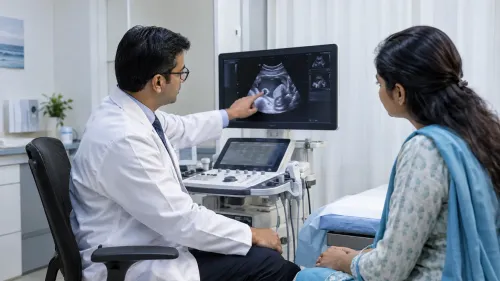


An USG Pelvis for females in Dwarka may be recommended for a range of gynaecological, urinary, or pelvic concerns. For someone having the examination for the first time, uncertainty about preparation and the scanning process can make the appointment feel more stressful than necessary.
Understanding why the scan is performed and what to expect can make the experience easier.
What Is a Pelvic Ultrasound?
Pelvic ultrasound uses sound waves to produce images of structures within the pelvis.
Depending on the clinical indication and the type of examination, it may provide information about structures such as the uterus, ovaries, endometrium, urinary bladder, and surrounding pelvic region.
Because ultrasound uses sound waves, it does not involve ionising radiation.
Why Might a Doctor Recommend It?
A pelvic ultrasound may be requested for many different reasons.
These can include:
- Pelvic discomfort
- Menstrual concerns
- Abnormal bleeding
- Suspected ovarian cysts
- Fibroid assessment
- Selected fertility-related evaluation
- Follow-up of a previous finding
- Other gynaecological concerns
The presence of one of these symptoms does not automatically indicate a particular condition. Imaging helps provide additional information for clinical evaluation.
Preparation May Include a Full Bladder
For certain pelvic ultrasound examinations, patients may be instructed to drink water beforehand and avoid emptying the bladder until the scan has been completed.
A sufficiently full bladder can improve visualisation during some transabdominal pelvic examinations.
However, preparation requirements depend on the examination being performed, so follow the instructions given by the diagnostic facility.
Different Pelvic Ultrasound Approaches Exist
Pelvic ultrasound may be performed using different approaches depending on the clinical requirement.
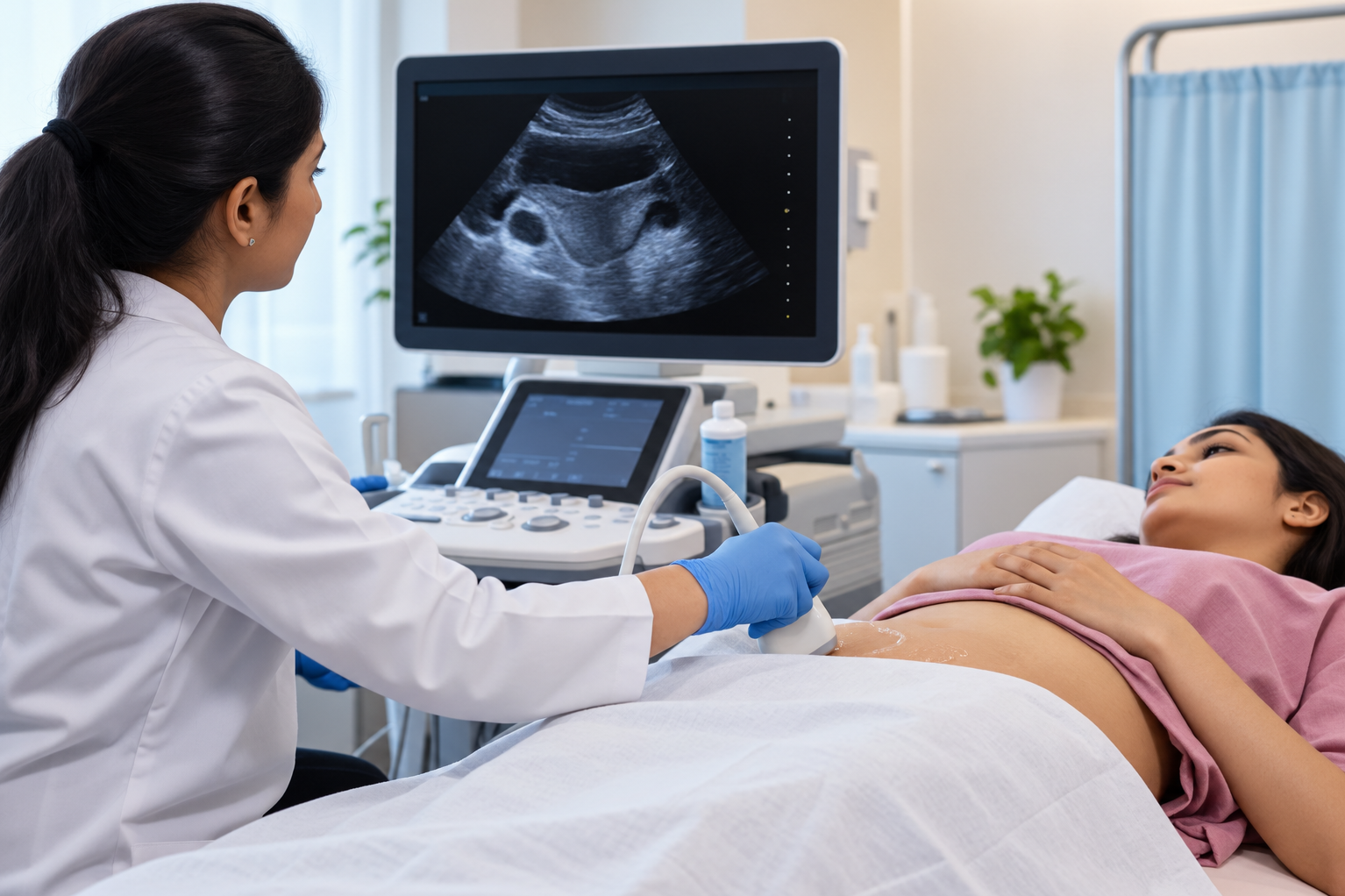
A transabdominal examination involves scanning over the lower abdomen.
In selected situations, another ultrasound approach may be recommended by the healthcare professional to obtain more detailed information about pelvic structures. The reason, process, suitability, and consent should be explained appropriately before such an examination.
Patient privacy and dignity should always be respected.
Bring Relevant Previous Reports
Previous ultrasound findings can provide valuable context.
If you have earlier pelvic scans, gynaecological reports, prescriptions, or relevant test results, bring them to the appointment where possible.
Comparison can be particularly useful when monitoring a previously identified finding.
What Happens During a Transabdominal Scan?
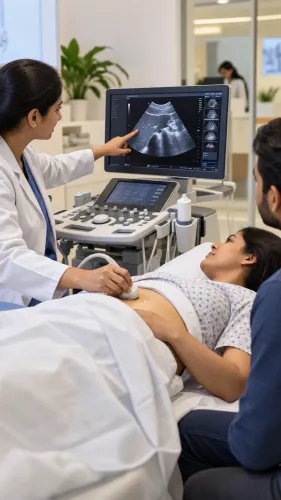
The patient generally lies on an examination couch. Gel is applied to the lower abdomen, and a transducer is moved across the area to obtain images.
The examination is usually non-invasive. A full bladder may create some temporary discomfort, but patients can communicate with the imaging professional if they are uncomfortable.
Augmentum Diagnostics provides pelvic ultrasound as part of its diagnostic imaging services, with examinations performed according to the clinical requirement.
What Happens After the Examination?
The ultrasound findings are documented in a report.
The next step depends on why the investigation was requested. Your gynaecologist or treating doctor may interpret the report alongside symptoms, menstrual history, physical examination, laboratory tests, or previous imaging.
An ultrasound finding should not automatically be interpreted as a final diagnosis without this broader clinical context.
When Symptoms Need Prompt Attention
Routine imaging appointments are appropriate for many non-emergency concerns, but severe pelvic pain, fainting, very heavy bleeding, or rapidly worsening symptoms may require prompt medical evaluation.
Patients should not delay urgent clinical care while waiting for a routine scan.
An USG Pelvis for females in Dwarka can provide useful information about pelvic structures and support the evaluation of many women's health concerns. Knowing the preparation requirements, bringing previous records, and understanding how the results will be used can help women approach the examination with greater clarity and confidence.