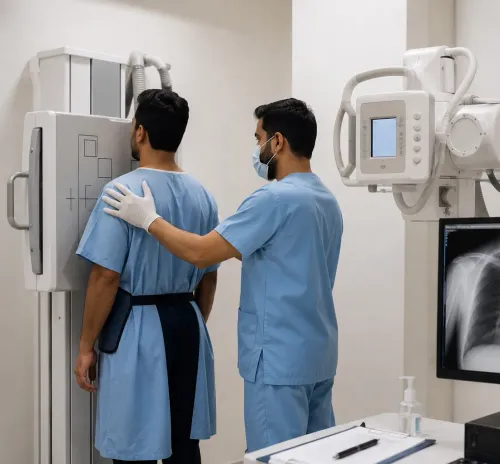



Visiting a Pathology Lab in Palam may seem straightforward: a sample is collected and a report is provided later. Behind that simple experience, however, are several steps designed to ensure that the sample is correctly identified, processed, analysed, and reported.
Understanding this process can make laboratory testing less confusing, particularly for people undergoing regular blood investigations.
The Process Starts Before Sample Collection
Some laboratory investigations require preparation.
Depending on the test, patients may receive instructions regarding fasting, medications, exercise, food intake, or the preferred collection time. Not every blood test requires fasting, so patients should follow the instructions given for their specific investigation rather than fasting unnecessarily.
It is also useful to inform the healthcare professional about relevant medications or supplements when appropriate.
Correct Patient Identification Is Essential
Before collecting a sample, the laboratory needs to associate it correctly with the patient and the requested investigations.
Small administrative details matter because laboratory results ultimately become part of a person's medical information.
Once the required information has been confirmed, the appropriate sample is collected.
Different Tests Require Different Samples
Blood is one of the most familiar samples, but pathology covers much more.
Depending on the investigation, a laboratory may examine:
- Whole blood
- Serum
- Plasma
- Urine
- Stool
- Other clinically indicated specimens
Different collection containers and handling requirements may also be necessary. The correct process depends on what is being measured.
What Happens After Collection
Once collected, the specimen moves into the analytical process.
Certain samples may require separation or other preparation before testing. Laboratory equipment then measures specific parameters according to the investigation requested.
Common categories include:
Complete Blood Count
A CBC evaluates different components of blood and may provide information related to haemoglobin, red blood cells, white blood cells, and platelets.
Blood Sugar Testing
Glucose investigations may be used for screening or monitoring depending on the clinical situation.
Lipid Profile
This measures different forms of cholesterol and triglycerides and is commonly included in cardiovascular risk assessment.
Liver and Kidney Tests
These investigations measure selected markers associated with organ function and may be requested for symptoms, medication monitoring, chronic conditions, or preventive evaluation.
Thyroid Testing
Thyroid-related blood tests help doctors assess hormone patterns associated with thyroid function.
Quality Processes Matter
A reliable Pathology Lab in Palam should not be judged simply by how quickly blood is collected.
Sample integrity, equipment maintenance, internal quality procedures, reporting systems, and qualified personnel all contribute to dependable laboratory services.
Augmentum Diagnostics approaches diagnostic testing as part of a broader healthcare process rather than treating reports as isolated numbers.
Understanding Your Laboratory Report
Most reports display a measured result alongside a reference interval.
Reference intervals are useful, but patients should avoid diagnosing themselves based solely on highlighted values. A mildly abnormal result can have several explanations, and interpretation often depends on symptoms, history, medications, and other investigations.
Doctors may also look at trends across multiple reports rather than relying entirely on one measurement.
Why Previous Results Can Be Helpful
Keeping older laboratory reports makes comparison easier.
For chronic conditions or ongoing treatment, changes over time may be particularly relevant. Blood sugar, thyroid markers, kidney parameters, and lipid levels are examples of measurements that may be monitored periodically when medically appropriate.
A well-managed Pathology Lab in Palam contributes to healthcare through accurate sample handling, appropriate analytical processes, and clear reporting. Patients can support that process by following preparation instructions, providing correct information, and discussing clinically significant findings with their healthcare professional.