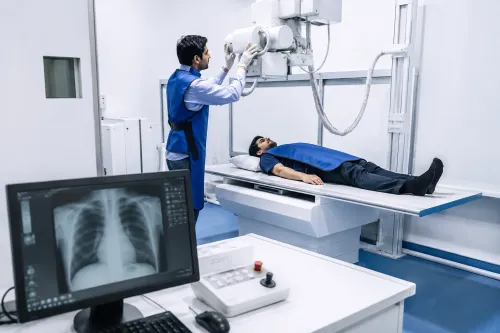



A Diagnostics center in South West Delhi plays an important role in modern healthcare by helping doctors understand what is happening inside the body before deciding on treatment. Many health conditions cannot be identified accurately from symptoms alone. Blood investigations, imaging studies, cardiac tests, and preventive screenings provide objective information that supports clinical decisions.
Diagnostic testing is useful not only when someone is unwell. It can also help identify changes in health before noticeable symptoms develop.
Why Diagnostic Testing Matters
A headache, weakness, fatigue, abdominal discomfort, dizziness, or unexplained weight change can have many possible causes. Symptoms provide important clues, but laboratory and imaging investigations can help narrow down those possibilities.
Depending on the concern, a doctor may recommend:
- Blood and urine investigations
- Digital X-rays
- Ultrasound examinations
- ECG
- TMT
- Liver and kidney function testing
- Preventive health screening
Each investigation answers a different clinical question. This is why choosing tests according to medical need is generally more useful than undergoing unrelated investigations without guidance.
Pathology and Radiology Have Different Roles
Pathology typically involves analysing blood, urine, and other biological samples. Tests may measure blood counts, glucose, cholesterol, liver enzymes, kidney markers, thyroid hormones, or other parameters.
Radiology provides images of structures inside the body. X-rays and ultrasound examinations are common examples.
Neither category replaces the other. A doctor may need laboratory findings, imaging findings, or both depending on the symptoms and suspected condition.
For example, persistent abdominal symptoms might require blood investigations to assess organ function while an ultrasound provides structural information about abdominal organs.
Preventive Testing Can Be Valuable
People often associate diagnostic centres with illness, but preventive testing is another important function.
Some health conditions can remain silent during their early stages. High blood sugar, abnormal cholesterol, changes in liver function, and certain kidney-related abnormalities may not immediately produce obvious symptoms.
A preventive assessment can establish baseline values and help a doctor determine whether further evaluation is required.
The appropriate frequency of testing depends on factors such as:
- Age
- Family history
- Existing medical conditions
- Medications
- Lifestyle
- Previous test results
- Doctor recommendations
More testing is not automatically better. Appropriate testing is what matters.
Accuracy Depends on More Than Equipment
Modern technology is valuable, but dependable diagnostic services also rely on trained professionals, proper sample handling, quality processes, patient preparation, and careful reporting.
Patients visiting Augmentum Diagnostics can benefit from understanding preparation requirements before arriving for a test. Some blood investigations require fasting, while certain ultrasound examinations may require a full bladder or another preparation protocol.
Incorrect preparation can sometimes affect the usefulness of an investigation.
Keep Previous Reports Available
Previous reports can provide useful context, particularly when the same parameter is being monitored over time.
Instead of considering one number in isolation, doctors may evaluate whether a result has remained stable, improved, or changed.
Patients should therefore maintain organised records of important laboratory investigations, scans, prescriptions, and medical history wherever possible.
Know When Testing Requires Medical Interpretation
A laboratory value outside the reference interval does not automatically mean that someone has a disease. Similarly, a result within the reference range does not always exclude every medical concern.
Results need to be interpreted in context.
Age, symptoms, medications, medical history, pregnancy status, hydration, recent illness, and other factors may influence interpretation. A qualified healthcare professional should therefore assess findings when clinical evaluation is required.
A dependable Diagnostics center in South West Delhi serves as an important link between symptoms, medical evaluation, and evidence-based treatment planning. When testing is performed appropriately and interpreted in a clinical context, it can provide valuable information for both preventive care and ongoing medical management.