

A fertility blood panel can provide useful information about hormones, but it cannot by itself assess sperm, fallopian-tube patency, ovulation in every cycle, or the condition of the uterus. By comparing the purpose, timing, partners covered, sample requirements, imaging options, and interpretation support, you can choose a testing pathway that answers the right clinical questions rather than simply counting biomarkers.
Key takeaways
- Treat a four-hormone panel as a starting point, not an infertility diagnosis.
- Test both partners; begin male evaluation with semen analysis.
- Add ultrasound or tube testing when blood results cannot explain fertility concerns.
- Compare sample collection, reporting time, test scope, and clinician follow-up before booking.
What a fertility assessment can—and cannot—tell you
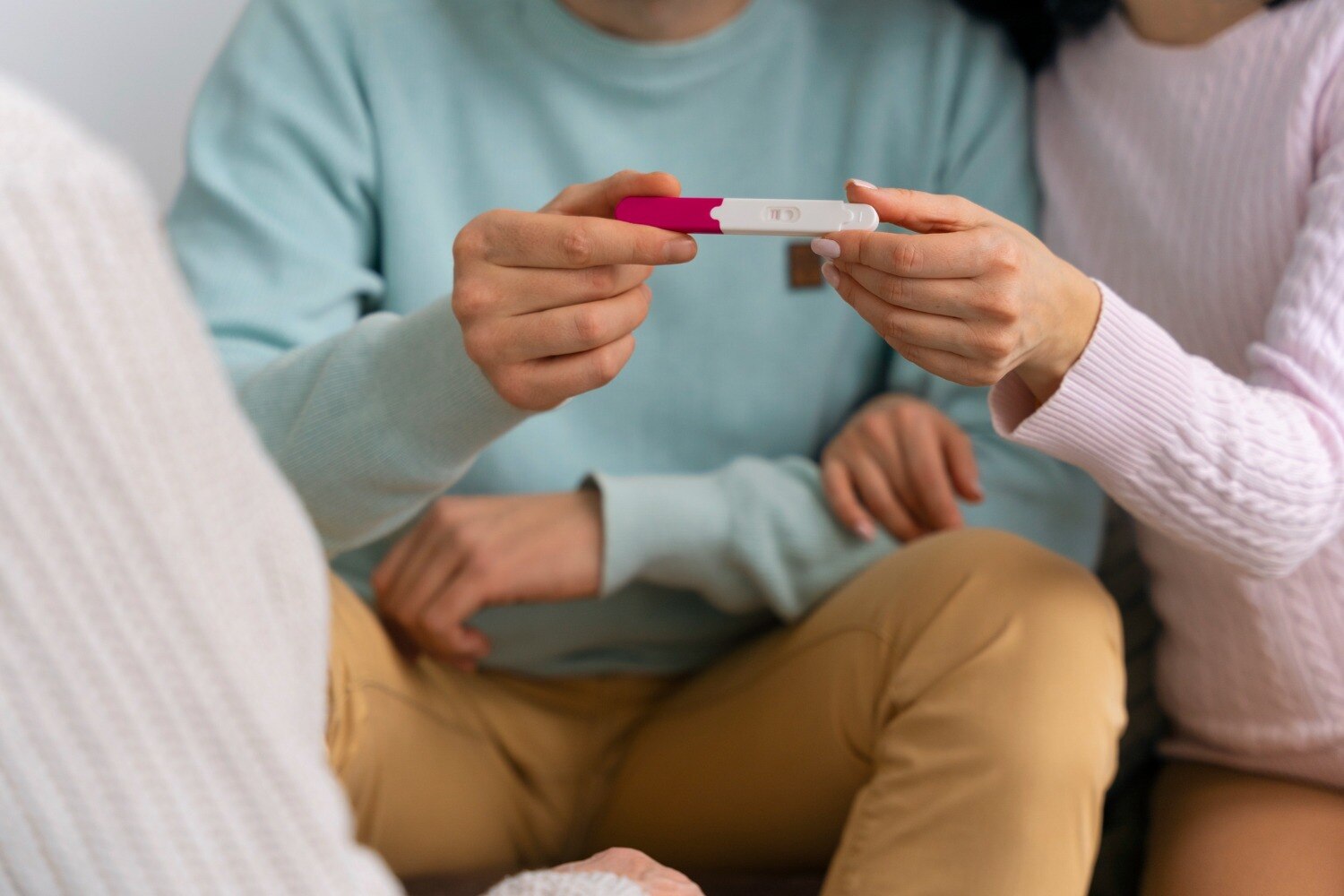
A fertility assessment is designed to show whether hormone patterns support ovulation, whether thyroid or prolactin abnormalities need attention, and whether further evaluation is appropriate. A four-hormone blood panel is a starting point, not a diagnosis of infertility. It cannot assess egg quality, sperm function, uterine structure, or whether the fallopian tubes are open.
| Purpose | What it can answer | What it cannot establish |
|---|---|---|
| Screening panel | Identifies hormone findings worth discussing | Infertility, egg quality, sperm function, uterine structure, or tubal patency |
| Clinician-led pathway | Combines history, examination, laboratory tests, semen analysis, ultrasound, and tubal testing when indicated | A result in isolation without clinical context |
Both partners belong in the assessment from the outset. Testing only the female partner can delay recognition of male-factor infertility, so semen analysis is usually a first-line investigation rather than an optional add-on.
Laboratory reference intervals are comparison ranges, not your personal diagnosis. Interpretation depends on age, menstrual pattern, medications, previous pregnancies, and how long you have tried to conceive.
For anyone seeking a fertility assessment in south west in delhi, ask whether the service offers a screening panel only or a clinician-led pathway that can coordinate both partners.
A blood-only package cannot evaluate sperm or tubes, while an imaging-only package cannot evaluate hormone patterns or semen. The right next step depends on the question your history raises.
Choosing between hormone testing, PCOS screening, and ovarian-reserve tests
A four-hormone fertility assessment and a PCOD or PCOS screening package answer different questions. Choose based on the clinical concern, not the number of biomarkers listed.
| Option | Main question answered | When it applies |
|---|---|---|
| Four-hormone panel | Do hormone patterns support ovulation? | Initial assessment when cycles and symptoms need review |
| PCOD or PCOS screening | Do symptoms and metabolic findings fit PCOS? | Irregular or absent periods, acne, excess facial hair, weight changes, or suspected insulin resistance |
| AMH plus antral follicle count | How might the ovaries respond to stimulation? | Treatment planning, not prediction of natural conception |
A hormone panel alone cannot establish PCOS. PCOS evaluation combines menstrual history, symptoms, examination, selected blood tests, and sometimes ultrasound. FSH and estradiol are commonly measured on cycle days 2–4. Progesterone is assessed in the mid-luteal phase, about seven days before the expected next period; a fixed day-21 test fits only a 28-day cycle.
AMH and antral follicle count measure ovarian reserve and help estimate expected response to ovarian stimulation. They do not reliably predict spontaneous conception or the quality of an individual egg, so an AMH-only fertility package is incomplete.
Before booking a fertility test package south west in delhi, ask:
- How will hormonal contraception, supplements, and medicines affect interpretation?
- Will the report record your cycle day?
- Does the fee include clinician interpretation, AMH, thyroid testing, ultrasound, and follow-up?
- If blood is collected at home, what fasting, transport, and result-communication instructions apply?
Why both partners need testing, starting with semen analysis
Test both partners from the outset: female factors do not explain every delay, and female-only testing can miss male-factor infertility. Semen analysis is usually first-line, not optional, because it directly measures sperm output and function. Use WHO 2021 laboratory reference procedures.
| Report item | What it shows | Why it matters |
|---|---|---|
| Semen volume | Ejaculate amount | Helps interpret total count |
| Sperm concentration | Sperm per millilitre | Identifies concentration problems |
| Total sperm count | Sperm in the whole ejaculate | Adds volume and concentration |
| Total and progressive motility | Moving sperm and forward movement | Assesses sperm movement |
| Morphology | Sperm shape and structure | Describes normal forms |
| Vitality | Live sperm proportion | Distinguishes immobile live sperm from dead sperm |
| Relevant cells | Round, white, or red blood cells | May prompt further review |
After 2–7 days of sexual abstinence, collect the entire sample in a laboratory-approved container. Keep it close to body temperature and deliver it promptly within the laboratory’s stated time limit. Home collection is not automatically suitable: confirm acceptance and permitted transport time before collecting.
One abnormal result does not establish permanent infertility; values vary between ejaculates. Ask about a repeat analysis, commonly about one month later, unless the abnormality is severe or urgent circumstances require faster review.
- Prior testicular surgery or undescended testes
- Infection, chemotherapy, or anabolic-steroid use
- Erectile or ejaculatory problems and current medicines
When blood tests need ultrasound, tube testing, or earlier medical review
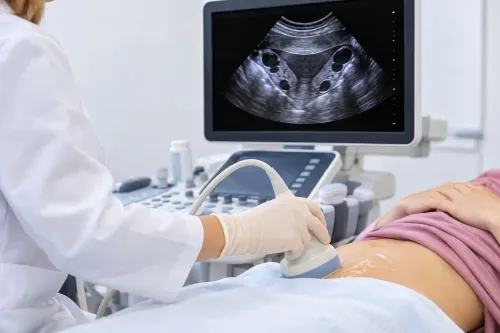
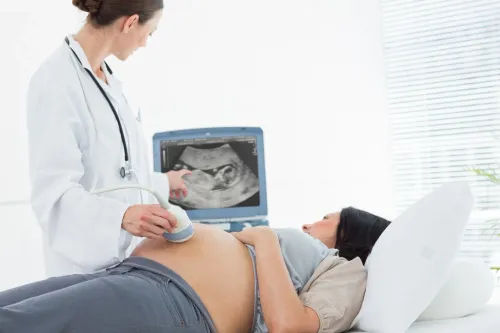
Blood tests cannot show uterine structure, endometrial appearance, ovarian morphology, or whether the fallopian tubes are open. Transvaginal ultrasound assesses these pelvic features and can measure antral follicle count, while follicle tracking uses repeat scans to follow follicular growth and ovulation.
1. Ask about transvaginal ultrasound when the assessment needs a closer view of the uterus, ovaries, endometrium, or antral follicles. A single scan gives a snapshot; follicle tracking requires repeat scans during the cycle.
2. Do not treat a routine pelvic ultrasound as proof that the tubes are open. If previous infection, endometriosis, pelvic surgery, ectopic pregnancy, or another history suggests tubal disease, ask whether hysterosalpingography or contrast sonography is appropriate.
3. Seek an infertility evaluation after 12 months of regular unprotected intercourse if the woman is under 35, or after six months if she is 35 or older. These time points guide evaluation; they do not diagnose infertility.
4. Seek medical advice sooner if periods are absent or highly irregular, endometriosis or tubal disease is suspected, pelvic surgery has occurred, recurrent pregnancy loss is present, or male-factor risk exists. Blood tests also cannot replace semen analysis when both partners are being evaluated.
You do not need to finish a large preventive-health package before raising a fertility concern. Ask for the next relevant investigation instead of delaying a focused review.
How to compare a fertility screening option near you
Compare the pathway, not the biomarker count, when reviewing a fertility screening near me result. A blood-only package cannot assess sperm or fallopian tubes, while an imaging-only visit cannot assess hormones or semen. Choose a provider that can coordinate the next step for both partners.
| Option | What it covers | Main limitation |
|---|---|---|
| Blood screening | Hormones such as AMH, thyroid tests and cycle-timed reproductive hormones | Does not assess semen, uterine structure or tubal patency |
| Semen analysis | Volume, concentration, total count, motility, progressive motility, morphology, vitality and relevant cells | Requires private collection, prompt processing and WHO 2021 procedures |
| Clinician-led pathway | Consultation, interpretation, ultrasound, semen testing and follow-up | Costs more time than a single package but connects abnormal results to action |
Before you book fertility assessment in delhi, ask whether the quoted price includes:
- Consultation and qualified clinician interpretation
- AMH, thyroid testing, infectious-disease tests and follow-up
- Repeat semen analysis, transvaginal ultrasound and collection charges
- Report units, reference intervals, laboratory accreditation or a stated quality system
- A defined process for reviewing abnormal findings
For home blood collection, confirm cycle-day recording, fasting instructions, medication and supplement disclosure, transport time and result communication. It can suit hormone testing; semen collection follows separate supervision and transport rules. Check cycle-timed ultrasound availability and privacy during semen collection.
Augmentum Diagnostics can be compared with other South West Delhi providers using these details, rather than package size alone.
Related services
Health Checkup ₹2300 Special Instruction :No fasting required Parameters covered :4 Sample(s) required :Serum, Serum (3 ml) 1.Follicle-Stimulating Hormone (FSH)... View service → |
Health Checkup ₹4100 Special Instruction :9 to 12 hours fasting required Parameters covered :9 Sample(s) required :Blood, Serum 1.COMPLETE BLOOD COUNT CBC 2.DHEAS... View service → |
Frequently asked questions
What can a fertility assessment tell you?
It can show whether hormone patterns support ovulation and identify thyroid or prolactin abnormalities that need attention. A four-hormone blood panel cannot assess egg quality, sperm function, uterine structure, or fallopian-tube openness.
Should both partners have fertility testing?
Yes. Evaluate both partners rather than attributing fertility concerns to one person. Start the male evaluation with semen analysis, which examines the semen sample and sperm-related measures.
When do blood tests need ultrasound or tube testing?
Add ultrasound when you need information about the uterus, ovaries, follicles, or ovarian morphology. Use tube testing when the clinical question is whether the fallopian tubes are open; blood tests cannot answer it.
How should you compare a fertility screening option near you?
Check which tests are included, whether sample collection is available at home, when reports arrive, how results are explained, and whether the provider can coordinate follow-up testing.