

A condom break, unprotected sex, shared needle, sexual assault, or blood contact can create different testing and treatment needs depending on the exposure site and timing. By the end, you will know when to seek HIV PEP, which tests to request, when to repeat them, and when an advanced panel is less useful than targeted testing.
Key takeaways
- Seek HIV PEP within 72 hours after a possible HIV exposure.
- Test the body sites involved, not only urine or blood.
- Repeat testing when the infection’s window period has passed.
- Choose an advanced panel when exposure history or symptoms need broader testing.
What should you do first after a potentially significant exposure?
A meaningful exposure includes condom breakage, unprotected vaginal or anal sex, receptive oral sex, shared needles, sexual assault, or blood entering your eyes, mouth, broken skin, or a wound.
| Situation | Examples | Immediate concern |
|---|---|---|
| Sexual contact | Broken condom; unprotected vaginal, anal, or receptive oral sex | HIV and site-specific sexually transmitted infections |
| Blood exposure | Shared needles; blood in the eyes, mouth, broken skin, or a wound | HIV, hepatitis B, and hepatitis C |
| Assault | Sexual assault, including injuries or uncertain acts | HIV PEP, injuries, pregnancy, and infections |
After a possible HIV exposure within the past 72 hours, seek urgent medical assessment rather than waiting for a screening appointment. HIV post-exposure prophylaxis (PEP) works best when started as soon as possible, ideally within 24 hours and no later than 72 hours when clinically indicated.
Tell the clinician:
- The exposure date, acts involved, and exact body sites: mouth, throat, genitals, rectum, skin, or eyes
- Whether pregnancy is possible and whether you have injuries
- The source’s known infections, if available
- Your hepatitis B vaccination history and immunity results
An “advanced std panel in palam” is not a standard clinical test name. Do not let the package label delay PEP; ask which tests, specimens, and methods it includes after urgent care is addressed.
When will each infection become detectable?
An immediate negative result cannot rule out infection: the organism or immune response may not have reached the test’s detection threshold. A search for “std panel advance palam” does not replace a clinician-led schedule based on exposure date, body site, symptoms, and test method.
| Test | Practical detection window | What an early negative means |
|---|---|---|
| Laboratory HIV antigen/antibody test from a vein | About 18–45 days | Repeat if collected before the window |
| HIV nucleic-acid test | About 10–33 days | Earlier detection, but not an automatic rule-out |
| Hepatitis B surface antigen (HBsAg) | Often about 4–10 weeks after infection, with an infection-dependent window | A single early HBsAg result cannot exclude recent infection |
| Hepatitis C antibody | Often 8–11 weeks; antibodies can take longer | Antibody-only testing is unreliable soon after exposure |
| HCV RNA | Detectable before antibodies, often within 1–2 weeks | Important when exposure occurred within the previous six months |
| Syphilis RPR or VDRL plus a treponemal test | Early testing can be negative | Repeat both tests when recent exposure, symptoms, or risk keeps suspicion high |
| Chlamydia or gonorrhoea NAAT | Commonly collected around 1–2 weeks after exposure | A specimen taken too soon can miss infection |
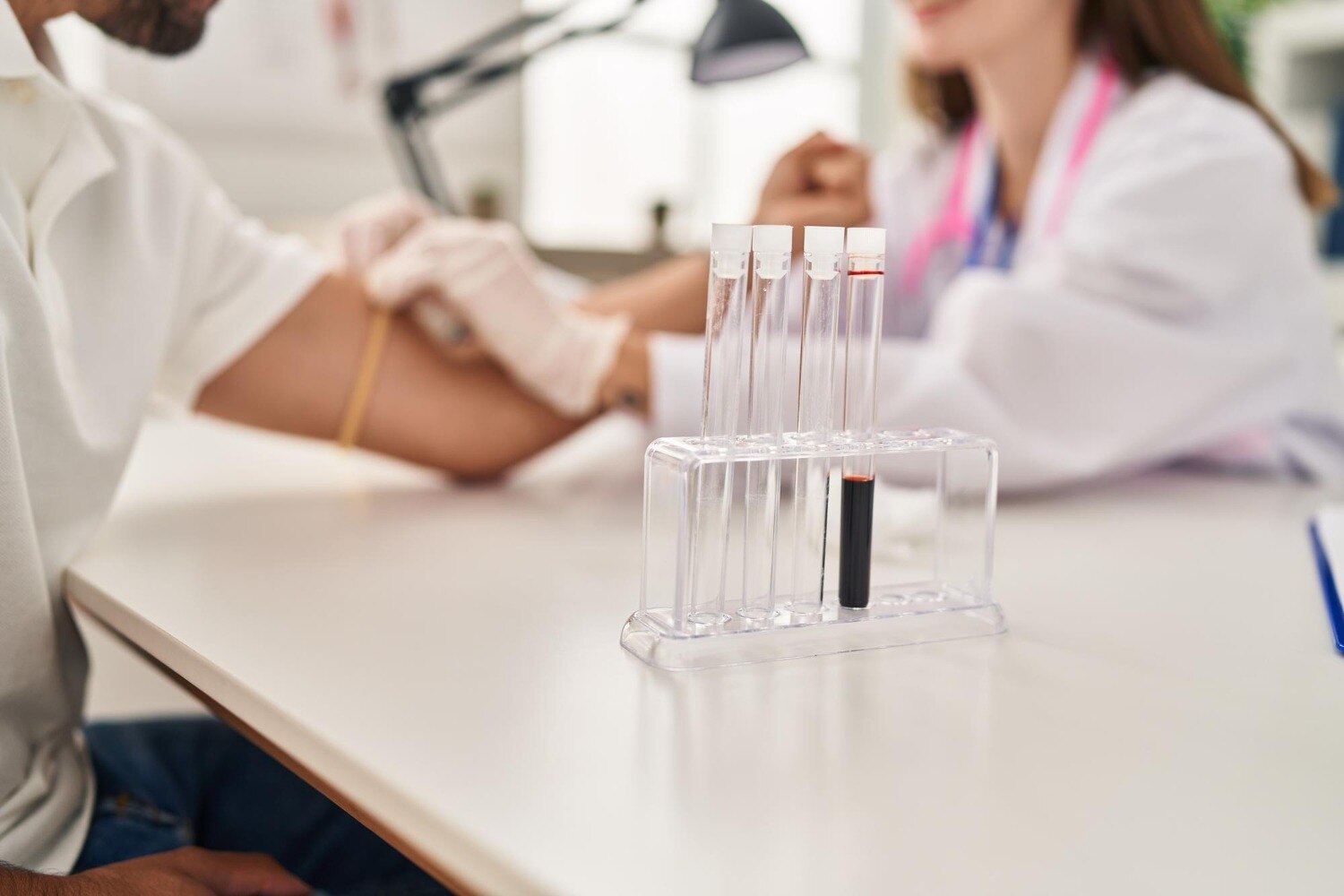
Have a clinician set the repeat dates rather than treating one date as universal. The plan may include an early baseline sample, repeat HIV and syphilis serology, HCV RNA or follow-up antibody testing, and repeat site-specific chlamydia or gonorrhoea NAATs.
A negative result only becomes reassuring when the correct test, specimen site, and detection window match the exposure.
Does the panel test the places and infections your exposure involved?
“Advanced STD panel” is a marketing label, not a standardized clinical test name; even “advanced std test palam” can describe different packages. Ask for the exact analyte list, specimen types, detection methods, and laboratory accreditation before paying. A result is only as relevant as what was collected and measured.
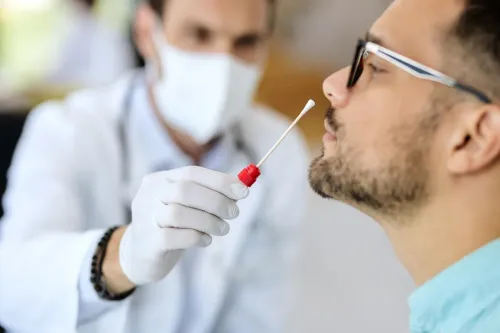
Antibody tests detect your immune response. Antigen tests detect a component of the infection. Rapid tests describe turnaround and can use antibody, antigen, or both; NAATs detect pathogen genetic material and are preferred for chlamydia and gonorrhoea.
Chlamydia trachomatis IgG is an antibody test, not a current-infection NAAT from urine, vagina or cervix, rectum, or throat.
Gonorrhoea is not listed among the supplied advanced-panel items. Urine or genital testing alone can miss rectal or pharyngeal infection after receptive anal or oral sex.
A site-specific comprehensive screen includes:
- Chlamydia and gonorrhoea NAATs from every exposed site: urine, vagina or cervix, rectum, and throat.
- HIV antigen/antibody testing.
- Syphilis serology.
- Hepatitis tests selected by your risk and vaccination status.
A positive gonorrhoea NAAT followed by persistent symptoms or suspected treatment failure can require culture and antimicrobial-susceptibility testing. An advanced molecular panel does not replace culture when resistance is a concern.
When is an advanced panel worth considering?
An expanded panel is worth considering when exposure sites are multiple or unclear, symptoms persist after an initial negative result, a partner has a diagnosed infection, infections recur, pregnancy is possible, or a clinician identifies a specific risk.
If you searched for comprehensive std screening palam, apply that rule rather than buying every available test immediately after exposure.
| Situation | Why an expanded panel helps | What to verify |
|---|---|---|
| Multiple sites or persistent symptoms | One negative specimen can miss infection elsewhere | Urine, genital, rectal, or throat NAATs |
| Pregnancy or diagnosed partner infection | Fetal risk and medication safety increase urgency | Clinician-selected tests and treatment |
| Recurrent infection or specific clinical risk | The cause may require targeted testing | Mycoplasma genitalium testing or culture when indicated |
A one-time “test everything” purchase is less useful when specimens do not match the exposed sites or testing occurs before detection windows. During every pregnancy, CDC-recommended screening includes syphilis, HIV, hepatitis B, and hepatitis C; add tests based on risk and findings.
Routine Mycoplasma genitalium testing mainly fits persistent or recurrent urethritis or cervicitis. Do not add routine herpes blood screening for an asymptomatic person; lesions call for lesion-based NAAT or culture. Hepatitis B assessment may require HBsAg, anti-HBs, and total anti-HBc—the triple panel—not HBsAg alone.
When comparing Augmentum Diagnostics, ask whether its package matches your exposed sites, specimen types, and methods, rather than trusting the word “advanced.”
Related services
Health Checkup ₹8000 Special Instruction :No fasting required Parameters covered :8 Sample(s) required :Serum, Serum (3 ml) 1.Chlamydia trachomatis Antibody (IgG) Test... View service → |
Health Checkup ₹2400 Special Instruction :No fasting required Parameters covered :4 Sample(s) required :Serum, Serum (3 ml) 1.Hepatitis B Surface Antigen (HBsAg)... View service → |
How should you interpret results and plan follow-up?
A positive multiplex result does not automatically explain your symptoms. Interpretation depends on symptoms, specimen site, timing, pregnancy status, and whether detection reflects colonization, an incidental finding, or residual nucleic acid after treatment. Discuss every positive result with a clinician, then follow treatment and partner-notification advice.
Post-treatment testing has strict timing. A chlamydia test of cure is generally unnecessary for nonpregnant people; when indicated, do not perform it before four weeks after treatment. A pharyngeal gonorrhoea test of cure belongs at 7–14 days. Testing earlier can detect nonviable organism material and create a misleading positive.
If the first sample preceded an infection’s detection window, a clinician may schedule repeat HIV, syphilis, hepatitis C, chlamydia, or gonorrhoea testing. A negative early result does not close the case.
Record these details for your follow-up appointment:
- Exposure date and sex acts
- Exposed body sites, including genital, rectal, and throat sites
- Symptoms and when each began
- Pregnancy possibility and vaccination history
- Treatments taken, including dates and doses
- Specimen types collected, such as urine, swab, or blood
- Test methods, such as NAAT, antigen/antibody, or serology
- The clinician’s date for repeat testing
Frequently asked questions
What should you do first after a potentially significant exposure?
Seek urgent medical advice, especially within 72 hours for possible HIV exposure because post-exposure prophylaxis works best when started promptly. Ask about hepatitis B vaccination, emergency contraception, injury care, and testing based on the exposure.
When will each infection become detectable?
Detection depends on the infection, specimen, test method, and time since exposure. A negative early result cannot rule out infection, so follow the clinician’s repeat-testing schedule for HIV, syphilis, hepatitis B, hepatitis C, chlamydia, and gonorrhea.
Does an advanced panel test the places and infections your exposure involved?
Not always. Urine or genital swabs do not reliably assess throat or rectal infections. Tell the clinician whether exposure involved the vagina, penis, anus, throat, blood, or broken skin so the correct specimens and tests are selected.
When is an advanced panel worth considering?
Consider broader testing after condom failure, multiple or unknown-status partners, sexual assault, needle sharing, blood exposure, symptoms, or an exposure involving several body sites. Confirm that the panel includes the infections and specimen types relevant to you.
How should you interpret results and plan follow-up?
A negative result may be too early to exclude infection, while a positive screening result may require confirmatory testing. Ask when to repeat each test, avoid exposing partners until advised, and take prescribed treatment exactly as directed.